
Thinkrolls 2: Puzzles for Kids
AvokiddoEducational
4.737.00 Reviews
- Version
- 1.6
- Installs
- 10.00K
- Age Rating
- Everyone
Screenshots
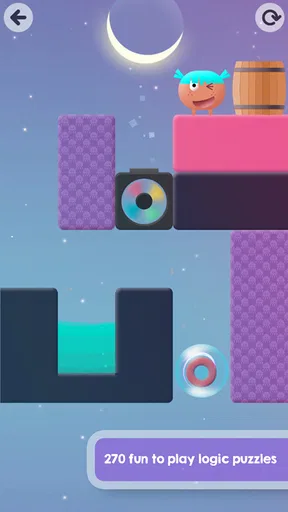
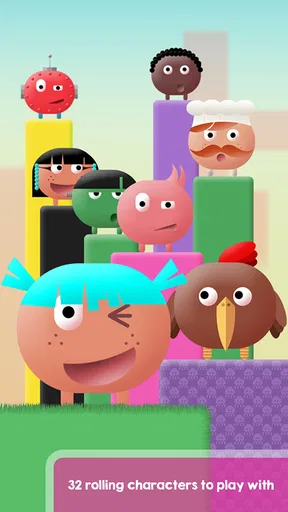
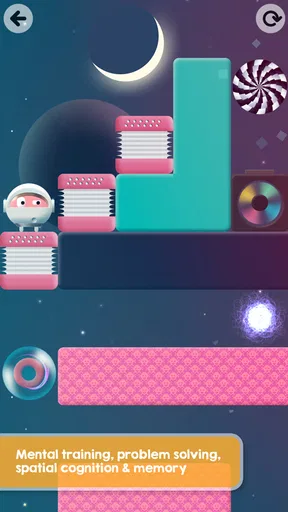
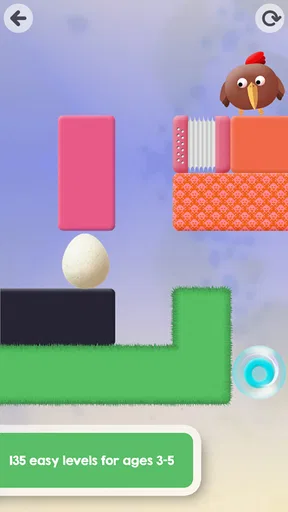
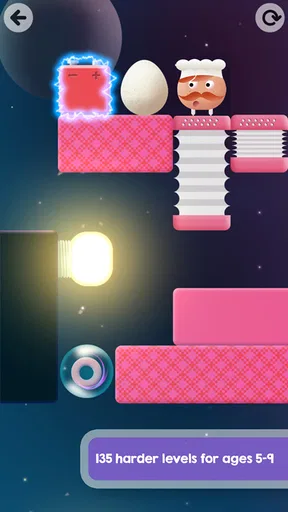
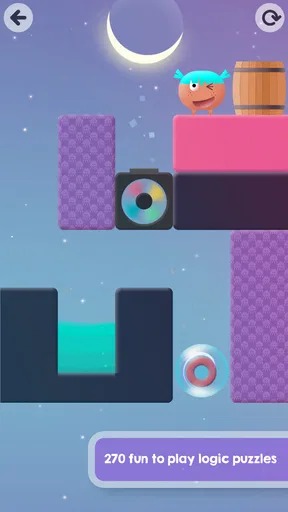
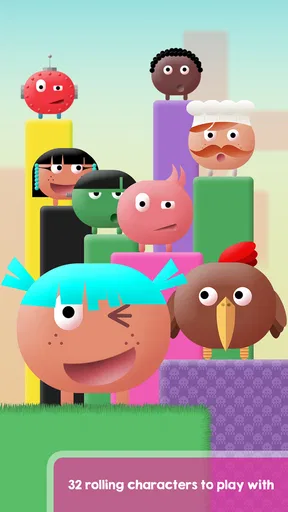
Our Review of Thinkrolls 2: Puzzles for Kids
 Analysis by Appyee
When I’m choosing a game for a child, I want more than a bright screen that holds their attention. I want something that gives them a reason to pause, try an idea, and learn from what happens next. Thinkrolls 2: Puzzles for Kids is built around that kind of play: its little characters move through puzzle mazes where progress depends on noticing how the pieces of a level work together.
It’s an educational game from Avokiddo, released on March 25, 2015. The current version is 1.6, and it’s rated for Everyone. The game costs $5.99, so it’s a paid purchase rather than a free download that later asks a child to navigate a stream of offers. I find that straightforward model appealing for family play, though the upfront price means it makes sense to consider whether a child enjoys patient, puzzle-led games before buying.
How the puzzles fit into family play
The game has a 4.7 average from around 425 ratings, with over 10,000 installs. Those figures suggest that families have found an audience for it, but they matter less to me than the way its puzzles invite children to think. Rather than relying on quick reactions, levels ask players to work out a route and use the obstacles and objects in front of them.
That makes it a useful choice for a quiet stretch at home, a rainy afternoon, or a short shared activity when an adult can sit nearby. I’d be more cautious about choosing it for a child who mainly wants fast action, open-ended drawing, or a game they can play without stopping to plan. The central pleasure here is figuring something out.
Learning by trying, not by being lectured
Thinkrolls 2 is one of those games that sneaks learning into playtime without the kiddos even realizing it. It's like hiding veggies in a smoothie. The app is designed to challenge kids' brains with puzzles that require strategy, logic, and a bit of creativity. The best part? It’s wrapped up in a colorful and engaging package that keeps them hooked.
The game is perfect for kids aged 3 to 9, and trust me, it's more than just a time killer. It’s a brain gym that pushes those little neurons to flex and grow.
In practical terms, I’d treat that age span as a broad guide, not a guarantee that every child will find every level comfortable. A younger player may enjoy the characters and the act of experimenting, while an older child may be more interested in planning a clean solution. Sitting together for the first few puzzles can help a parent see whether a child is ready to take the lead or would benefit from occasional hints.
Reading a level before making a move
Thinkrolls 2 is all about guiding adorable characters through a series of mazes. But these aren’t your average mazes—oh no! Each level introduces new obstacles and elements that require some serious thinking.
- Physics-based puzzles: Kids will have to deal with gravity, buoyancy, and even electricity as they navigate through the levels. It’s like a mini science class, but way more fun.
- Progressive difficulty: The game starts off easy to build confidence, but don’t be fooled. It ramps up to keep the challenge alive, ensuring the kids never get bored.
- Unlockable characters: As players advance, they unlock new characters, each with unique abilities. It’s a little reward system that keeps them motivated.
The game is divided into several chapters, each introducing new mechanics and challenges. Kids will find themselves dealing with things like floating bubbles, light-activated elevators, and even a bit of teleportation. It's like a new adventure at every turn!
One helpful way to play is to ask a child to predict what will happen before they move a character or interact with an object. If the attempt fails, the level becomes a low-stakes chance to reconsider the plan: what changed, and what could they try differently? That simple pause can turn a puzzle session into a conversation about cause and effect without making it feel like homework.
For a realistic everyday example, imagine a child playing while a parent prepares dinner nearby. Instead of stepping in to solve a tricky section, the adult can ask the child to point out the obstacle they think matters most. That keeps the child in charge while giving them a way to talk through a plan. It also makes the game easier to share in brief bursts, rather than treating it as an activity that needs a long, uninterrupted session.
Bright presentation, with the puzzle in the foreground
If I’m being honest, the visuals are a treat. The graphics are vibrant and lively, capturing the attention of young minds instantly. Each level is beautifully designed to keep the curiosity flowing.
The sound design complements the visuals perfectly. It’s upbeat and cheerful, adding to the overall happy vibe of the game. The little sound effects for each action are just delightful!
That cheerful presentation is useful when a child is new to puzzle games: it makes experimentation feel welcoming rather than serious. Still, a parent should judge the experience by the child’s response, not just its colorful look. Some children will happily retry a route; others may become impatient when a level asks them to stop and reason. In the latter case, playing together and taking turns suggesting moves can make the challenge more enjoyable.
Motivation without a race
Let’s talk about what really matters—why your kids will beg to play this game. First off, it’s the characters. They’re adorable, approachable, and have a way of making kids feel connected. It’s like they’ve got new little buddies to explore with.
Next, is the satisfaction of solving puzzles. Each time they crack a level, there’s a little burst of joy and pride. It’s those small victories that make the app addictive in the best possible way.
And of course, the learning aspect is the cherry on top. They’ll be picking up problem-solving skills and critical thinking without even realizing it. As a parent, that’s a win-win!
For me, the important distinction is that motivation comes from working through a puzzle and seeing what happens, rather than from competing against other players. That makes the game a better fit for a child who enjoys personal challenges than for one looking for scores, rankings, or social competition. I would not choose it as a substitute for a multiplayer game if friendly contests are what a family wants.
The same design can also create a little pressure if a child feels they must solve a level alone. I’d make it clear that trying, changing a plan, and asking for a hint are all part of play. A parent can offer a question rather than take over the screen; that preserves the child’s sense of achievement while easing frustration.
What the purchase means for a family
While Thinkrolls 2 is a fantastic app, it’s worth noting that it’s a premium app. There’s a one-time cost, but considering the educational value and the hours of entertainment, it’s worth the investment.
Also, while the app is pretty intuitive, younger kids might need a bit of help at first. But hey, that’s a great opportunity for some quality parent-child bonding time.
Lastly, there’s no in-game advertising or purchases, which means a safe environment where kids can play uninterrupted.
The purchase is easiest to justify when a child already likes mazes, cause-and-effect toys, or games where a solution takes a few attempts. If they usually abandon a puzzle as soon as it gets difficult, I’d first consider whether an adult will be available to play alongside them. The game’s paid format avoids asking a child to make repeated in-game spending decisions, but the upfront price is still a real consideration for families who are unsure how often it will be used.
Compared with free children’s games built around quick rounds, collecting, or frequent prompts, this one asks for more concentration and gives the child a more deliberate task. Compared with physical puzzles, it offers a changing visual maze and interactive elements, while a tabletop activity may be a better choice if the goal is hands-on play away from a screen. Neither alternative is automatically better; the useful question is whether the child wants a guided logic challenge or a different kind of activity.
A practical tip is to make the first session a shared test rather than handing over the device and expecting independent play immediately. Watch whether the child understands the goal, notices what objects do, and remains interested after a wrong move. That gives you a clearer sense of fit than judging by the opening levels alone. It also helps you decide whether to keep the game for solo quiet time or reserve it for occasional parent-and-child play.
Who is likely to enjoy it—and who may not
I’d recommend it most to families looking for an age-appropriate logic game with a playful presentation, especially if a child likes experimenting and can tolerate a puzzle that does not yield instantly. Its Everyone rating makes the stated content age classification broad, but it doesn’t mean every puzzle or interaction will suit every young player without adult support.
I’d skip it if the priority is a free game, a creative sandbox, a fast-paced action experience, or a title designed around head-to-head play. It may also be a poor match for a child who gets upset by trial and error unless an adult can help keep the mood light. In those situations, a simpler activity or a different style of game could be a better use of the family’s time and money.
Families may also wonder whether the game is likely to stay interesting after the first session. Its chapters introduce changing mechanics, which gives players new things to consider as they progress, but a child who dislikes puzzle-solving may still lose interest. I would judge its staying power by whether the child returns willingly and starts thinking through obstacles with less prompting, not by the number of sessions you expect it to provide.
A considered recommendation
All in all, Thinkrolls 2: Puzzles for Kids is a must-have if you're looking for an app that’s both fun and educational. It’s more than just a game; it’s a tool that helps develop critical skills while keeping kids entertained.
If you’re ready to give your kids a game that’s as enriching as it is entertaining, Thinkrolls 2 is the way to go. Get ready to see them solve puzzles like little champs and maybe even surprise you with their newfound skills.
Now, what are you waiting for? Go ahead and download it—your kids will thank you!
My recommendation is a little more measured: for the right child, this is a thoughtful paid game that can make a short stretch of screen time feel purposeful. I’d buy it for a young player who enjoys working things out, and I’d plan to join in at first if they are new to logic puzzles. If your child prefers open-ended play or wants competition, I’d choose something else. That distinction is the fairest way to decide whether this particular purchase belongs in your family’s game collection.
Verdict
Strengths of Thinkrolls 2: Puzzles for Kids
- Engaging puzzles enhance critical thinking.
- Colorful graphics captivate young minds.
- Adaptive difficulty suits various ages.
- Encourages creativity through problem-solving.
- No ads ensure a distraction-free experience.
Limitations of Thinkrolls 2: Puzzles for Kids
- Limited content for older kids.
- Requires in-app purchase for full access.
- No multiplayer or social features.
- Might be too challenging for very young.
- Lacks variety in puzzle themes.
Similar Picks in This Category
View All
Little Panda Policeman
BabyBus4.0

Monster Trucks Game for Kids 2
Raz Games4.1

Little Panda's Chinese Recipes
BabyBus4.4

Little Panda's Restaurant
BabyBus4.4

Little Panda's Ice Cream Games
BabyBus4.3

Baby Panda Care
BabyBus3.8
Frequently Asked Questions
What age group is Thinkrolls 2: Puzzles for Kids suitable for?
Thinkrolls 2 is designed for children aged 3 to 9 years old. The game offers a variety of puzzles that cater to different skill levels, allowing younger kids to develop problem-solving skills while older children can tackle more complex challenges. It's an engaging way for children to learn while having fun.
Does Thinkrolls 2 require an internet connection to play?
No, Thinkrolls 2 does not require an internet connection. This makes it a perfect choice for on-the-go entertainment, whether you're on a road trip or waiting for an appointment. The offline play ensures that your child can enjoy the game anytime and anywhere, without the need for Wi-Fi.
Are there any in-app purchases in Thinkrolls 2?
Thinkrolls 2 is a one-time purchase app with no in-app purchases or ads. This means parents can rest assured that their children can play without encountering any unexpected costs or advertisements. It's a safe and secure environment for kids to explore and enjoy the game.
What educational benefits does Thinkrolls 2 offer?
Thinkrolls 2 is designed to boost cognitive skills such as logical thinking, memory, and spatial awareness. The puzzles encourage children to experiment and find creative solutions, enhancing their critical thinking abilities. It's an educational tool disguised as an entertaining game, making learning enjoyable for kids.
Is Thinkrolls 2 easy for children to navigate on their own?
Yes, Thinkrolls 2 features an intuitive interface that is easy for children to navigate without adult assistance. The colorful graphics and simple touch controls are designed with young players in mind, ensuring they can independently explore the puzzles and enjoy the game at their own pace.
Play our best games!


